
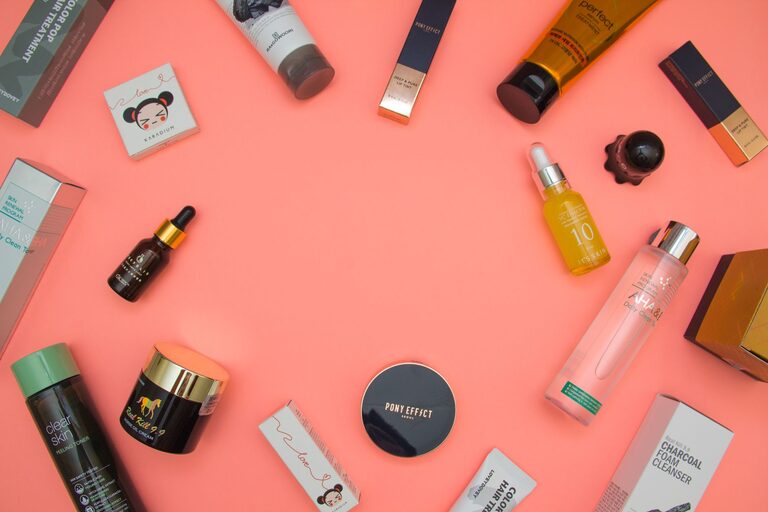
Starting a skincare routine does not have to involve a long list of products or complicated steps. A few well-chosen basics can help keep your skin clean, comfortable, and protected throughout the day. The key is to create a routine that fits your skin’s needs and is easy to follow consistently.
Whether you are completely new to skincare or want to simplify your current routine, this guide covers the essentials: cleansing, moisturizing, and sun protection.
Why Keep a Skincare Routine Simple?
Many skincare products promise dramatic results, but using too many products at once can make it difficult to know what works for you. It may also leave your skin feeling dry, uncomfortable, or overwhelmed.
A basic routine has several benefits:
– It is easier to maintain.
– You can identify which products suit your skin.
– It may reduce unnecessary spending.
– There are fewer steps to forget.
– It gives your skin time to adjust to new products.
Start with the essentials and add products only when you have a clear reason to do so.
The Three Basic Skincare Steps
A beginner-friendly routine usually includes three main steps:
- Cleanse
- Moisturize
- Protect with sunscreen
The order matters because each product has a specific purpose. Cleansing removes buildup, moisturizer helps support the skin barrier, and sunscreen helps protect skin from daily sun exposure.
Step One: Cleanse Gently
Cleansing removes dirt, sweat, excess oil, and other buildup from the skin. It can also help prepare your face for moisturizer and sunscreen.
How to Choose a Cleanser
Look for a cleanser that feels comfortable after rinsing. A gentle, fragrance-free option may be a good starting point, especially if your skin is easily irritated. Choose a formula based on how your skin generally feels:
– Dry or tight skin may prefer a creamy or hydrating cleanser.
– Oily skin may prefer a lightweight gel cleanser.
– Combination skin can often use a gentle cleanser designed for normal or balanced skin.
– Sensitive skin may benefit from a simple formula with few ingredients.
Avoid scrubbing aggressively. A cleanser does not need to leave your skin feeling tight or “squeaky clean” to be effective.
How to Cleanse
Use lukewarm water and a small amount of cleanser. Gently massage it over your face with clean fingertips, then rinse thoroughly and pat your skin dry with a clean towel.
For many people, cleansing once in the evening is enough. If you enjoy washing your face in the morning, use a gentle cleanser or simply rinse with water if your skin feels comfortable that way.
Step Two: Apply Moisturizer
Moisturizer helps reduce dryness and supports a comfortable skin barrier. Even oily skin can benefit from moisturizing, since overly dry skin may feel tight and uncomfortable.
Choosing a Moisturizer
Consider the texture and finish you prefer:
– Creams are often richer and may suit dry skin.
– Lotions provide moderate moisture and are easy to spread.
– Gels are usually lightweight and may feel comfortable on oily skin.
– Fragrance-free products can be a useful choice for sensitive skin.
Look for a moisturizer that feels pleasant and does not leave your skin uncomfortably greasy. You do not need a large amount; a small, even layer is usually sufficient.
Apply moisturizer after cleansing, while your skin is slightly damp. This can help your skin feel soft and comfortable without requiring a heavy layer of product.
Step Three: Use Sunscreen in the Morning
Sunscreen is an important part of a daytime skincare routine. It helps protect exposed skin from ultraviolet, or UV, rays during everyday activities such as walking, driving, or spending time outdoors.
Choose a broad-spectrum sunscreen with an SPF of 30 or higher. If you will be outside for an extended period, follow the product instructions for reapplication, especially after swimming, sweating, or towel drying.
Tips for Using Sunscreen
– Apply sunscreen as the last step of your morning skincare routine.
– Cover commonly missed areas, including the ears, neck, and the tops of your hands.
– Use enough to create an even layer over exposed skin.
– Reapply as directed on the product label.
– Consider a sunscreen that fits your preferences, such as a lightweight, moisturizing, or non-greasy formula.
The best sunscreen is one you will use regularly. If you dislike the texture of one product, try a different formula rather than skipping this step.
A Simple Morning Routine
A basic morning routine can be short and practical:
- Rinse with water or use a gentle cleanser.
- Apply moisturizer if your skin needs it.
- Apply broad-spectrum sunscreen.
- Add makeup afterward, if desired.
Some sunscreens include moisturizing ingredients, but you may still prefer a separate moisturizer depending on how your skin feels.
A Simple Evening Routine
Your evening routine can also have just a few steps:
- Remove makeup or sunscreen if needed.
- Cleanse your face gently.
- Apply moisturizer.
If you wear makeup, use a suitable makeup remover or cleansing product before washing your face. Avoid rubbing the eye area harshly, and follow the instructions for any product used near the eyes.
How to Add New Products
Once your basic routine feels comfortable, you may decide to add another product. Introduce only one new product at a time. This makes it easier to notice how your skin responds.
Before applying a new product to your entire face, test a small amount on a limited area, following the product directions. Wait and observe how your skin feels over the next day or two. If you notice persistent discomfort, stop using the product.
Avoid changing several products at once. Skincare usually works best as a gradual process, and visible changes may take time.
Common Skincare Mistakes to Avoid
A few simple habits can make your routine more comfortable:
– Do not use very hot water on your face.
– Avoid harsh scrubs and rough brushes.
– Do not wash your face repeatedly throughout the day.
– Check product expiration dates and storage instructions.
– Wash your hands before applying products.
– Avoid sharing personal skincare products.
– Be cautious with products that cause stinging, burning, or ongoing redness.
– Do not assume that a higher price means a product will work better.
Consistency is generally more useful than having a large collection of products.
Adjusting Your Routine Over Time
Your skin may feel different depending on the weather, indoor heating, exercise, travel, and other everyday factors. You might use a richer moisturizer during colder months or a lighter formula in warm weather.
Pay attention to how your skin feels after cleansing and throughout the day. If it feels persistently uncomfortable or reacts strongly to a product, discontinue that product and consider asking a qualified skincare professional for personalized guidance.
The goal of a basic routine is not perfection. It is to create a few reliable habits that help your skin feel clean, moisturized, and protected. Start with the basics, choose products you enjoy using, and give your routine time to become part of your day.
About the Author