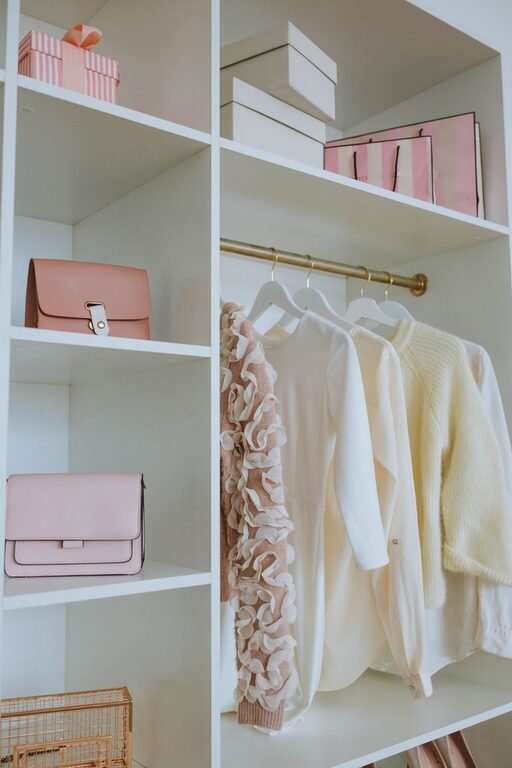
A tidy closet can make everyday routines easier, from getting dressed in the morning to putting away laundry. The key is not simply arranging everything once. A closet stays organized when it is easy to use, fits your habits, and includes a simple system for handling new items.
Whether your closet is large or compact, a few practical changes can help you make the most of the space. Use the tips below to create an orderly closet that remains manageable over time.
Start With a Complete Closet Reset
Before buying storage products or rearranging shelves, remove everything from the closet. Working with an empty space helps you see what you own and gives you a fresh starting point.
Place clothing and accessories in groups on the bed, floor, or another clean surface. Avoid making one large pile. Create separate categories such as:
– Tops
– Pants and skirts
– Dresses and suits
– Sweaters and jackets
– Shoes
– Bags
– Accessories
– Seasonal items
As you sort, check each item for fit, condition, and how often you use it. Set aside pieces that need repairs, items to donate, and anything that belongs somewhere else in the home.
An empty closet also makes it easier to clean. Dust shelves, wipe rods, vacuum the floor, and clean corners before returning your belongings.
Keep Only What You Use
A closet becomes crowded when it holds items that no longer suit your needs. You do not need to create a perfect minimalist wardrobe, but every item should have a reasonable place in your current life.
Ask yourself a few simple questions:
– Does this fit comfortably?
– Have I worn it in the past year?
– Is it in good condition?
– Does it work with other items I own?
– Would I choose to buy it today?
If an item is difficult to decide about, place it in a labeled “review later” box. Store the box outside the main closet area and set a date to revisit it in a month or two. If you do not miss the items, they may be ready to leave your home.
Avoid keeping clothing just because it was expensive or once had sentimental value. If an item is meaningful, consider storing it separately from your everyday wardrobe so it does not take up valuable closet space.
Organize by Category and Use
Once you have decided what to keep, organize items in a way that matches your daily routine. Grouping similar items together makes it easier to find what you need and return it to the correct place.
You might arrange clothing in this order:
- Workwear
- Casual clothing
- Exercise clothes
- Special occasion items
- Outerwear
Within each category, you can organize by color, length, or frequency of use. For example, arranging shirts from light to dark may make outfits easier to plan. If you often wear certain items, place them at eye level or near the front of the closet.
There is no single correct method. The best system is the one you can follow without extra effort.
Use the Closet’s Vertical Space
Many closets have unused space above shelves or below hanging clothes. Make use of these areas with simple storage solutions.
Useful options include:
– Shelf dividers for folded clothing
– Bins for seasonal accessories
– Hooks for bags, belts, or scarves
– Shoe racks for the floor
– Slim drawers for smaller items
– Hanging organizers for folded sweaters or shoes
Choose storage pieces that fit the closet rather than buying products first and hoping they work. Measure shelves, rods, and floor space before shopping. Clear containers can help you see what is inside, while fabric bins may provide a softer look for open shelving.
Do not overfill shelves or containers. When storage is packed too tightly, putting things away becomes frustrating, and the system is more likely to break down.
Choose the Right Hangers
Matching hangers can make a closet look more orderly and may help you use space efficiently. Slim, nonslip hangers are especially useful when a closet has limited room.
Use sturdy hangers for coats, jackets, and heavier clothing. Padded hangers can help protect delicate fabrics, while clip hangers are useful for skirts and pants.
Try to use one hanger for each item whenever possible. Avoid hanging multiple pieces together unless they are a complete outfit or matching set. Clothes are easier to see and use when they are not hidden behind one another.
You can also turn all hangers in the same direction. This small detail creates a cleaner appearance and makes it easier to notice what you actually wear.
Store Seasonal Items Separately
Seasonal clothing does not need to take up the most convenient closet space all year. When the weather changes, rotate items so that current clothing is easy to reach.
Store off-season pieces in labeled bins, under-bed containers, or a separate section of the closet. Before storing them, make sure they are clean and completely dry. Fold heavier items carefully, and avoid placing too many pieces in one container.
Labels make seasonal storage easier to manage. Instead of writing “clothes,” use specific descriptions such as “winter scarves and hats” or “summer sandals.” This saves time when you need something later.
Create a Home for Small Items
Small accessories can quickly create clutter because they are easy to drop wherever there is an open space. Give each group a dedicated location.
For example:
– Keep belts on hooks or a belt hanger.
– Store scarves in a drawer or divided bin.
– Use a small tray for watches and everyday accessories.
– Keep bags upright on a shelf or in cubbies.
– Place shoes in pairs on a rack or in labeled boxes.
If you use an item every day, store it where it is easy to reach. Less frequently used pieces can go on a higher shelf or toward the back of the closet.
Add a Simple Laundry System
Laundry can undo an organized closet if clean and worn clothing end up in the same places. Use a hamper for items that need washing, and decide where partially worn clothes should go.
A small hook, valet stand, or designated section of a chair can hold clothing that is not ready for the laundry but should not return to the closet immediately. Keep this area limited so it does not become another pile.
When putting away clean laundry, return each item to its category rather than placing it wherever there is space. This takes a little longer but prevents the closet from becoming disorganized again.
Maintain the Closet With Quick Habits
A closet stays tidy through small, regular actions rather than occasional major cleanouts. Try these habits:
– Put items away after wearing or washing them.
– Return shoes to their assigned spot.
– Hang clothing promptly after laundry day.
– Remove empty hangers.
– Review one small section each month.
– Follow a one-in, one-out rule when practical.
The one-in, one-out rule means removing a similar item when you bring something new into the closet. It helps prevent gradual overcrowding without requiring a large decluttering session.
Set aside a few minutes at the end of each week to straighten shelves, collect misplaced items, and clear the floor. A short reset is easier than waiting until the closet needs a complete overhaul.
Make Organization Easy to Maintain
The best closet system is simple enough to use on busy days. If a storage solution requires several steps, it may not be practical for your routine.
Keep frequently used items visible and within reach. Use labels for bins and shelves, especially if more than one person uses the closet. Leave a little open space so new items do not immediately create crowding.
Review your system after a few weeks. If certain items keep ending up in the wrong place, the problem may be the layout rather than your habits. Move those items closer to where you naturally use them.
With clear categories, suitable storage, and a few consistent routines, your closet can stay tidy without constant effort. Start with one section, make the system work for you, and build from there.
About the Author