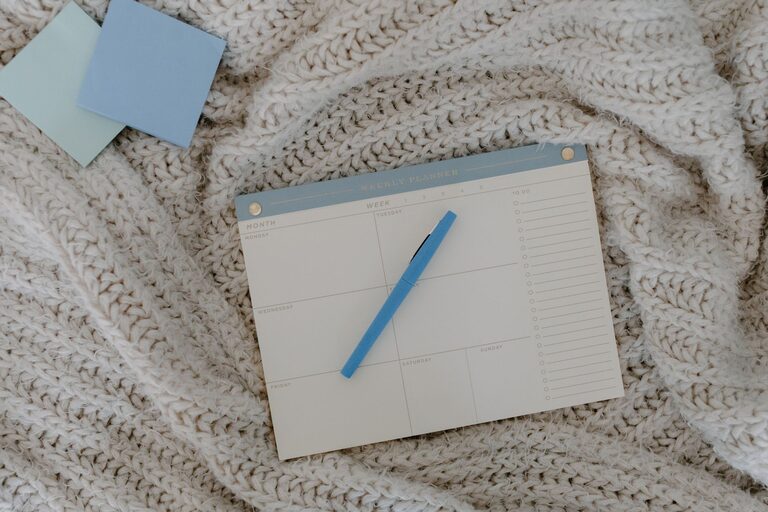
Keeping a home clean does not have to mean spending an entire day scrubbing, sorting, and organizing. A simple weekly cleaning schedule breaks household chores into smaller tasks, making them easier to manage and less overwhelming.
The key is consistency. Instead of waiting for messes to build up, spend a little time each day on the areas that need attention most. You can adjust this schedule to fit your home, household size, and available time.
How to Use This Weekly Cleaning Schedule
This plan focuses on one main cleaning task each day, along with a few quick daily habits. Most daily sessions can take between 15 and 30 minutes.
Before you begin, gather a few basic supplies:
- All purpose cleaner
- Microfiber cloths
- Glass cleaner
- Broom, vacuum, or floor sweeper
- Mop
- Scrub brush or sponge
- Trash bags
- Clean laundry basket or storage bin
Keep your supplies together in a bucket or portable caddy. Having everything in one place saves time and makes it easier to get started.
Daily Cleaning Habits
A few small tasks each day can help keep your home under control. These habits do not need to be perfect. The goal is to prevent clutter, crumbs, and dirty dishes from piling up.
Try to include these tasks every day:
- Make the beds.
- Put dirty clothes in a hamper.
- Wash dishes or load the dishwasher.
- Wipe kitchen counters after preparing food.
- Return items to their usual places.
- Empty small trash cans when they are full.
- Spend five minutes tidying the main living area.
If you have limited time, choose the two or three tasks that make the biggest difference in your home. A quick reset in the morning or evening can make the next day feel much easier.
Monday: Reset the Kitchen
Start the week by giving the kitchen extra attention. This room often collects crumbs, spills, dishes, and food packaging over the weekend.
Main tasks
- Clear and wipe the countertops.
- Clean the stovetop and backsplash.
- Wipe the outside of small appliances.
- Clean the sink and faucet.
- Check the refrigerator for expired or unwanted food.
- Sweep or vacuum the floor.
- Mop the floor if needed.
You do not need to clean the inside of the refrigerator every week. A quick check and wipe of visible spills is usually enough. Plan a deeper refrigerator clean once a month or whenever it needs extra attention.
Tuesday: Focus on Bathrooms
Bathrooms are easier to maintain when cleaned regularly. Give the main bathroom or the bathroom that receives the most use your attention first.
Main tasks
- Clean the sink, faucet, and countertop.
- Scrub the toilet inside and wipe the outside.
- Clean the mirror.
- Rinse or scrub the shower and tub.
- Replace damp or used towels.
- Empty the bathroom trash can.
- Sweep and mop the floor.
Keep the bathroom ventilated while cleaning. A small daily habit, such as wiping water from the sink and hanging towels neatly, can help the room stay fresh between weekly cleanings.
Wednesday: Dust and Tidy Living Areas
Midweek is a good time to focus on dust and clutter in shared spaces. Work from higher surfaces to lower ones so dust falls toward the floor before you vacuum or sweep.
Main tasks
- Dust shelves, tables, lamps, and picture frames.
- Wipe frequently touched surfaces such as door handles and light switches.
- Fold blankets and straighten cushions.
- Put books, toys, and other loose items away.
- Vacuum sofas or use a brush to remove crumbs.
- Vacuum or sweep the floor.
Use a basket to collect items that belong in other rooms. At the end of your cleaning session, return each item to its proper place. This is often faster than walking back and forth after every object.
Thursday: Clean Bedrooms and Laundry
Bedrooms can feel more comfortable with a simple reset. Use this day to change bedding and deal with laundry before it becomes a larger task.
Main tasks
- Change sheets and pillowcases.
- Dust nightstands, dressers, and other surfaces.
- Put away clean clothes.
- Place shoes and accessories in their usual locations.
- Clear clutter from the floor.
- Vacuum, sweep, or mop the floor.
If changing all the bedding in one day feels like too much, assign different bedrooms to different weeks or days. You can also wash sheets as soon as each bed needs them rather than waiting to do everything at once.
Friday: Handle Floors and High Traffic Areas
Floors usually collect the most visible dirt during the week. Spend Friday cleaning the areas that receive the most foot traffic, such as entryways, hallways, kitchens, and living rooms.
Main tasks
- Shake out or vacuum entry mats.
- Sweep hard floors.
- Vacuum carpets and rugs.
- Mop hard floors where needed.
- Move light furniture to clean underneath it.
- Wipe visible marks from doors and baseboards.
You may not need to mop every room each week. Focus on areas with spills, pet activity, children, or heavy use. Regular vacuuming and sweeping can help reduce the need for frequent deep cleaning.
Saturday: Declutter and Complete Extra Tasks
Saturday can be used for tasks that do not need to happen every week. Choose one or two instead of trying to clean the entire house from top to bottom.
Optional tasks
- Organize one drawer or cabinet.
- Clean a microwave or toaster oven.
- Dust ceiling fans and light fixtures.
- Wipe windowsills and interior glass.
- Wash pet bowls and beds.
- Clean under a bed or sofa.
- Sort mail, paperwork, or school items.
- Donate or recycle items you no longer use.
A useful decluttering rule is to work on one small area at a time. Finishing a single drawer or shelf gives you a clear result without creating several unfinished piles around the house.
Sunday: Light Reset and Planning
Keep Sunday easy. Use a few minutes to prepare your home and schedule for the week ahead.
Quick reset
- Put away items left out during the weekend.
- Take out household trash and recycling.
- Wash or put away remaining dishes.
- Check laundry and start a load if necessary.
- Restock basic cleaning supplies.
- Review the coming week and choose any extra cleaning tasks.
This is also a good time to look at the schedule and make changes. If a certain day is too busy, move its task to another day. A cleaning plan should support your routine, not make it harder.
Tips for Staying Consistent
The best cleaning schedule is one you can follow. Keep tasks realistic and avoid adding too many chores to a single day.
Use a timer to create a clear stopping point. Even 10 focused minutes can make a noticeable difference. You can also listen to music, a podcast, or an audiobook while working if that makes cleaning more enjoyable.
Give every frequently used item a designated place. When objects have a home, tidying becomes faster. Finally, remember that a clean home does not need to look perfect at all times. Focus on steady progress, clean surfaces, and spaces that work well for the people who use them.
With a simple weekly routine, cleaning becomes a series of manageable habits instead of a large task waiting for the weekend.
About the Author