Plants are one of the easiest ways to refresh your home. They add color, texture, and natural character without requiring a major renovation. A few well-placed plants can make a room feel more welcoming, while a larger collection can create a calm indoor garden.
Whether you live in a spacious house or a small apartment, there are many ways to use plants to update your space. The key is to choose plants that suit your home, match your style, and fit your daily routine.
Start With the Light
Before buying new plants, look at the natural light in each room. Light levels can vary widely, even within the same home.
Notice how much sunlight enters through each window during the day:
– Bright direct light: Strong sunlight reaches the space for several hours.
– Bright indirect light: The room is well lit, but the sun does not shine directly on the plant.
– Low light: The space receives little natural light, often because it is far from a window.
Choose plants according to these conditions. Plants that enjoy bright light may do well near sunny windows, while low-light varieties are better for hallways, offices, or shaded corners. Matching the plant to the location makes care easier and helps the plant stay healthy.
If you are unsure about a room’s light, begin with one plant and observe how it responds. You can move it closer to or farther from a window as needed.
Create a Focal Point
A large plant can become a natural focal point in a room. Place one in an empty corner, beside a sofa, or near an entryway to add height and visual interest.
Good choices for a statement plant include:
– Tall palms
– Fiddle leaf figs
– Rubber plants
– Bird of paradise plants
– Large varieties of dracaena
A large plant does not need to fill the entire room. Choose a size that leaves enough space for people to move comfortably. A simple basket or decorative pot can make the plant feel like a deliberate part of the room’s design.
For a balanced look, pair a tall plant with lower furniture, such as a side table or cabinet. This creates different levels and prevents the corner from looking flat.
Style Small Plants in Groups
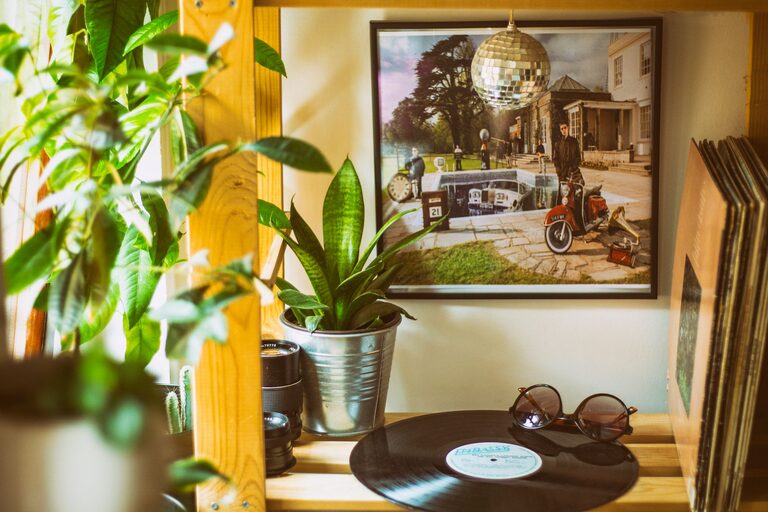
Small plants are especially useful on shelves, desks, kitchen counters, and windowsills. Instead of placing them randomly, group several plants together to create a more polished display.
Use a mix of:
– Different heights
– Varied leaf shapes
– Complementary pot colors
– Plants with both upright and trailing growth
Try grouping three plants in different sizes. The tallest plant can sit at the back, with smaller plants in front. This simple arrangement creates depth while keeping each plant visible.
Avoid making every pot identical unless you prefer a very uniform style. A collection of similar colors with slightly different shapes can look coordinated without feeling repetitive.
Use Plants to Define Areas
Plants can help separate areas in an open room without blocking light or making the space feel closed in. For example, a tall plant can mark the edge of a reading nook, home office, or dining area.
A row of medium-sized plants on a shelf can also create a soft visual boundary. Hanging plants are another useful option because they add greenery without taking up floor space.
Consider these ideas:
– Place a tall plant behind a reading chair.
– Use a plant stand beside a desk to create a work zone.
– Hang a trailing plant near a window.
– Arrange several pots along an open shelf.
– Place herbs near the kitchen work area.
Plants can add structure while maintaining a relaxed and natural feeling.
Refresh Your Containers
Sometimes your plants do not need to change—your containers do. Replacing old or mismatched pots can give familiar plants a completely new look.
Choose containers that complement your home’s colors and materials. Ceramic pots can create a clean, classic appearance, while woven baskets add warmth and texture. Metal containers may suit a modern space, and simple terracotta pots work well with many styles.
Make sure every decorative container has proper drainage or holds a plant pot with drainage holes. Excess water can collect at the bottom and damage the plant’s roots or nearby surfaces. Use saucers or waterproof trays to protect shelves and floors.
You can also refresh a plant display by placing several pots on one tray. This keeps the arrangement organized and makes it easier to move when cleaning.
Add Greenery to Unexpected Places
Plants do not have to stay in living rooms and kitchens. Smaller varieties can brighten many overlooked areas around the home.
Try adding greenery to:
– A bathroom shelf
– A bedroom dresser
– A laundry room
– A home office
– A covered porch
– A quiet hallway corner
Bathrooms may work well for plants that enjoy higher humidity, but light is still important. If a room has very little natural light, consider rotating plants between brighter and darker locations rather than leaving one plant in poor conditions for too long.
For narrow spaces, choose slim plants or hanging varieties. This adds visual interest without taking up valuable floor or counter space.
Build a Simple Plant Care Routine
A refreshed home looks best when its plants are healthy and well maintained. Create a simple routine that fits your schedule instead of relying on a strict daily plan.
Once or twice a week, check:
– Whether the soil feels dry
– Whether leaves look dusty
– Whether the plant has enough light
– Whether water is collecting in the saucer
– Whether leaves show signs of damage
Watering needs vary by plant, pot size, season, and indoor conditions. Check the soil before watering rather than following the same schedule for every plant. Some plants prefer to dry out slightly between waterings, while others need more consistent moisture.
Dust can collect on broad leaves and reduce their appearance. Gently wipe leaves with a soft, damp cloth when needed. Remove yellow or damaged leaves with clean scissors to keep the plant looking tidy.
Keep the Look Balanced
A home filled with plants can feel lively, but too many plants in one area may look crowded. Leave some open space so each plant has room to stand out.
Balance is easier when you vary the placement:
– Use floor plants in empty corners.
– Place medium plants on stands or furniture.
– Add small plants to shelves and tables.
– Hang a few plants to draw the eye upward.
Think about the overall shape of the room. If one side already has several decorative items, a single plant may be enough on the other side. Plants should support the room’s design rather than compete with every object in it.
Refresh With the Seasons
Changing plant displays throughout the year can keep your home feeling fresh. In warmer months, move suitable plants closer to brighter windows or bring them to a covered outdoor area if conditions allow. In cooler months, group plants in comfortable indoor locations away from cold drafts.
Seasonal updates do not require buying new plants. Try changing the pot covers, rearranging plant stands, or moving a trailing plant to a different shelf. Even small adjustments can make a room feel renewed.
Final Thoughts
Plants can transform the atmosphere of your home with little effort. Begin by studying the light, choose plants that fit your space, and use containers and plant stands to create visual variety. Group smaller plants, make use of empty corners, and maintain a simple care routine.
With thoughtful placement, even a few plants can add warmth, color, and personality to your home.
About the Author