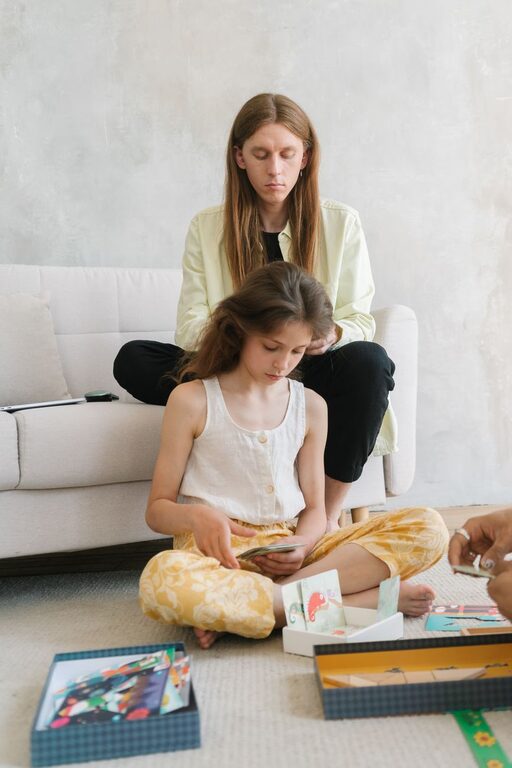
Family game night is a simple way to spend quality time together without leaving home. With a few games, easy snacks, and a relaxed attitude, you can create an evening that everyone looks forward to. The best game nights do not need expensive equipment or complicated planning. They are about laughing, playing, and enjoying time as a family.
Whether your group includes young children, teenagers, adults, or a mix of ages, these ideas can help you plan a fun evening at home.
Choose a Game Night Theme
A theme can make an ordinary game night feel like a special event. It also makes it easier to choose games, snacks, and decorations.
Try one of these simple themes:
– Classic game night: Play familiar board games and card games.
– Puzzle night: Work together on puzzles, riddles, and brain teasers.
– Trivia night: Create questions about family members, movies, animals, or general knowledge.
– Minute-to-win-it night: Compete in quick, silly challenges using household items.
– Around-the-world night: Play games from different countries and serve international snacks.
– Favorite things night: Let each family member choose one favorite game or activity.
– Game show night: Create teams, a host, questions, and simple prizes.
A theme does not need to be elaborate. Even a sign on the door or a special snack can help make the evening feel different from a regular night at home.
Pick Games for Different Ages
The best family game nights include activities that most people can enjoy. If there is a large age range, offer a combination of simple and more challenging games.
Games for Younger Children
Young children often enjoy games with short instructions and quick turns. Consider:
– Matching games
– Picture bingo
– Building block challenges
– Simple card games
– Memory games
– Cooperative board games
– Animal guessing games
Games that involve movement can also keep younger players interested. For example, one person can act like an animal while everyone else guesses what it is.
Games for Older Children and Adults
Older children and adults may enjoy:
– Strategy board games
– Word games
– Team trivia
– Charades
– Drawing games
– Card games
– Logic puzzles
– Family-friendly party games
If a game has complicated rules, explain one part at a time and play a practice round. This helps everyone join in without feeling overwhelmed.
Cooperative Games
Competitive games can be exciting, but cooperative games are a great choice when you want everyone to work together. In a cooperative game, the family shares one goal instead of playing against one another.
You might work together to:
– Complete a puzzle before time runs out
– Build the tallest block tower
– Solve a series of clues
– Create a story as a group
– Finish a scavenger hunt
– Beat a family challenge
Cooperative activities are especially useful when younger players may feel frustrated by losing.
Create Your Own Games
Some of the most memorable family games require only paper, pencils, and creativity.
Family Trivia
Write questions about family memories, favorite foods, hobbies, and funny experiences. Examples include:
– Who is most likely to sing while cooking?
– What was our last family vacation destination?
– Which food does everyone enjoy?
– Who can name the most family pets?
– What movie have we watched together more than once?
Keep the questions light and welcoming. The goal is to spark conversation, not test anyone’s memory.
Mystery Object
Place a household item inside a bag. Players take turns feeling the object without looking and guessing what it is. Use safe items such as a spoon, toy, soft ball, or hairbrush.
Drawing Relay
Divide the family into teams. One player begins drawing a picture for 30 seconds, then passes the paper to the next person. Continue until the drawing is complete. The results are often funny and surprising.
Story Builder
Start a story with one sentence. Each person adds another sentence, either by speaking or writing. Add a theme such as “a trip to the moon,” “a missing birthday cake,” or “a day when the pets could talk.”
Add Quick Challenges
Short challenges can fill gaps between longer games or give everyone a chance to move around. Use items you already have at home.
Try challenges such as:
– Stack cups into a tower
– Move cotton balls with a spoon
– Toss socks into a laundry basket
– Build a bridge from blocks
– Name as many animals as possible in one minute
– Balance a book on your head
– Make the longest paper chain
– Find five objects that begin with the same letter
Set a timer and keep the rules simple. Avoid challenges that could cause accidents or damage furniture. The sillier the activity, the more laughter it is likely to create.
Plan Easy Snacks
Snacks are an important part of a relaxed game night, but they do not need to be complicated. Choose foods that are easy to serve and eat between turns.
Good options include:
– Popcorn
– Fruit slices
– Pretzels
– Cheese and crackers
– Vegetable sticks
– Mini sandwiches
– Homemade muffins
– Trail mix
– Cookies
– Lemonade or flavored water
Set up a snack table away from the game area if possible. This helps protect cards, boards, and puzzle pieces from spills. You can also give the snack table a fun name, such as “The Game Night Cafe.”
Let children help prepare simple snacks. They might arrange fruit on a plate, fill cups, or create labels for each dish.
Make the Room Comfortable
A comfortable space helps everyone stay engaged. Clear a table or arrange pillows on the floor, depending on the games you plan to play.
Before starting, gather:
– Games and playing pieces
– Paper and pencils
– A timer
– Snacks and drinks
– Napkins
– A small container for game pieces
– Optional prizes or scorecards
Keep the television and other distractions turned off during the games. Soft background music can be enjoyable, but make sure it does not make conversation difficult.
Use Friendly Rules
A few simple rules can keep the evening enjoyable for everyone:
– Explain the rules before starting.
– Give each person a chance to participate.
– Keep games moving at a comfortable pace.
– Avoid making fun of mistakes.
– Allow younger players extra help when needed.
– Take breaks between games.
– Focus on fun rather than winning.
You can also create a “no arguing about the rules” rule. If there is confusion, pause the game and agree on a solution together. For younger children, it may be helpful to use a grown-up as the final rule guide.
Add Small Prizes
Prizes do not need to be expensive. They can be funny, useful, or simply symbolic.
Ideas include:
– Choosing the next game
– Picking tomorrow’s dessert
– Wearing a homemade champion ribbon
– Getting first choice of snacks
– Choosing the family movie
– Receiving a small sticker or certificate
You can also give awards for more than winning. Consider “best teamwork,” “most creative answer,” “kindest player,” or “funniest moment.” This helps everyone feel included.
End With a Family Tradition
Create a small tradition that closes every game night. For example, each person can share their favorite moment, vote for the next theme, or take a group photo. You could also keep a notebook that records the games you played and the winners of each friendly challenge.
The most important part of family game night is not the game itself. It is the time spent listening, laughing, and enjoying one another’s company. With a little planning and a flexible attitude, your home can become the perfect place for a fun family tradition.
About the Author